Icon Shoutcast Network 2.0 DJ DemonAngel icon Mix play music-logo
ipod-icon.png http://www.d-toolsblog.com/wp-content/uploads/2010/02/URC-toolbox-logo.jpg logo-myspace.jpghttp://www.numerama.com/media/attach/facebook-icon.png

翻译此博客 :

标签

8 bits (16) Abstract Hip Hop (477) Acid jazz (55) Afrobeat (57) Alternative (548) Alternative Fusion (302) Alternative Rock (271) Ambient (237) Avant Garde (2) Blues (200) Chillout (12) Classique (4) DJ (79) Dancehall (32) Downtempo (252) Drum and Bass (29) EP (30) Electro (531) Electro Dub (219) Electro Rock (26) Electronic (179) Ethiopiques (14) Experimental (236) Flamenco (15) Folk (180) Funk (238) Glitch (25) Gospel (3) Groove (40) Hard Rock (36) Heavy Metal (2) Heavy Trash (10) Hip Hop (184) IDM (60) Indie (101) Instrumental (158) Jazz (241) Lizz Fields (2) Lounge (39) Minimalist (16) Mix (47) Mod-folk (2) New Jazz (54) Nu-Classic (4) Nu-Jazz (114) Nu-Soul (100) Oi (4) Other (2) Piano (30) Pop (43) Pop Folk (18) Pop Rock (12) Post Punk (5) Post Rock (31) Psychedelic (138) Punk (86) Ragga (44) Rap (103) Rap Fusion (95) Reggae (480) Remix (49) RnB (12) Rock (119) Rumba (18) Salsa (10) Ska (84) Slam (4) Smooth Jazz (4) Soukous (4) Soul (216) Sufi (2) Trip Hop (296) Trip Pop (8) Vocal (18) World (458) concert (200) dub (154) live (214) podcast (8)
显示标签为“Ethiopiques”的博文。显示所有博文

2013年2月20日星期三

Krar Collective - Ethiopia Super Krar (2012) [World Music]

https://blogger.googleusercontent.com/img/b/R29vZ2xl/AVvXsEjSisSZVRgZdG7QhgMjVvmCLjb1-UNeNqlf8lHAM9TewRBoitE89p7mGDwRabOnAEnb1CzRRIqrK_0ysWh8dZYAmvP4dVs6fh2CIfuujoEbtLHYtbgOKFpdg_BPTDs3Ot5SthMHfgnCVeY/s1600/Cover.jpg

https://www.myspace.com/krarcollective

Country : U.K , Ethiopia
Genre : World Music
Style : Ethiopic Music


Label : worldmusic.net


logo-info

video-icon

icon streaming

00000000000000DOWNLOAD

uTorrent-icon 


Tracklist :

01. Guragigna 6:07
02. Oromigna 7:49
03. Ambassel 5:28
04. Wello 6:01
05. Konso 6:01
06. Mr Astatke 3:12
07. Ete-Mete 4:06
08. Welaita 5:02
09. Tizita 7:21
10. Ende Eyerusalem 7:23

2013年1月27日星期日

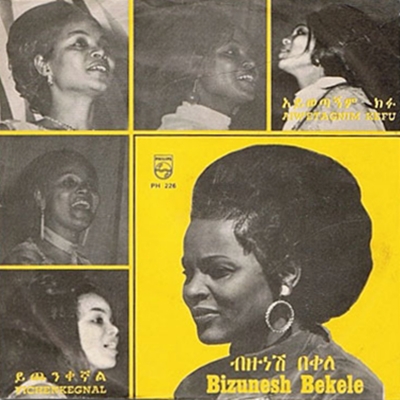
Bezunesh Bekele - Yenat Weletawa (1977) [World Music]

https://blogger.googleusercontent.com/img/b/R29vZ2xl/AVvXsEhsqxRMXNp0mch31vAqvCvsd-OLF64HSF-iP67o9e7jd80tUk88CnhunHdmXLZZsLVEUWMGph06YfEMQYUcDF1Pw28Ptvf351WFf2WWDBR4Z8NoOB4ttKsDpuSWGuFvOJrIC5SN4vnTfS4/s640/%5Bcover%5D.jpg

Country : Ethiopia
Style : World Music


logo-info

video-icon

icon streaming

00000000000000DOWNLOAD

uTorrent-icon 


Tracklist :

01. Bezunèsh Bèkèlè - Meneme Addis Neger Yeleme (2:54)
02. Bezunèsh Bèkèlè - Hulume Bemegerme (4:23)
03. Bezunèsh Bèkèlè - Aseberko Demeko (4:05)
04. Bezunèsh Bèkèlè - Lela Asebe Weye (4:21)
05. Bezunèsh Bèkèlè - Endih Newe Gabecha (4:10)
06. Bezunèsh Bèkèlè - Yenate Weletawane (4:05)
07. Bezunèsh Bèkèlè - Eyekesekesenge Fekerhe (3:02)
08. Bezunèsh Bèkèlè - Endehe Newe Gedawo (3:45)
09. Bezunèsh Bèkèlè - Yefeker Wegagane (3:34)
10. Bezunèsh Bèkèlè - Ezam Ezame Atebele (4:38)
11. Bezunèsh Bèkèlè - Sewele Yelgale Kere (4:42)
12. Bezunèsh Bèkèlè - Yesune Yesune (5:18)
13. Bezunèsh Bèkèlè - Geze Ayelewetgeme (3:17)
14. Bezunèsh Bèkèlè - Yegebahewen Kale Endet Tafersaleh (4:12)
15. Bezunèsh Bèkèlè - Lesewe Binagerute (4:07)

2012年7月20日星期五

Akalé Wubé - Mata

http://www.israbox.com/uploads/posts/2012-06/1340693350_500.jpg

http://www.akalewube.com

https://www.myspace.com/akaleband


Origine du Groupe : France

Style : World Music , Ethiopic Music

Sortie : 2012

icon streaming


00000000000000DOWNLOAD


From Official Site :

It is an improbable story: one that reunites, a group of young Parisians with the Swingin' Addis sounds of the seventies. In October 2008, five musicians got together on a wild project: to delve into the repertoire of the ethiopian golden age, discovered through “Ethiopiques”, the famous series of reissues. “The idea was to transcribe songs from this period and rearrange them to the sound of our times. First off, it eliminated the need to write songs that risked falling into ethio-jazz clichés. The aim was not to bring about some artistic revolution through our work but simply to give and take pleasure by performing this music!” Through this retro-futuristic alchemy, the Akalé Wubé quintet was born: a curious name borrowed from a song by the saxophonist Getatchew Mekurya, a bit of an old-fashioned expression which can by translated as “my beautiful” in amharic.

“Since our very first concert in December 2008 we were surprised by the audience’s enthusiasm.” Since then, Akalé Wubé have played a series of concerts, refining a retro sound which resounds perfectly with the contemporary aesthetic of a generation of musicians that juggle genres around. Funk, reggae, jazz, tango... “All of this is found in the vocabulary and aesthetic of the ethiopian productions of the sixties and seventies. It is a cross-bred style of music - so much so, that even by sticking to the repertoire, it can be taken in different directions...” A mix of stripped-down funk soul and smart pop, of garage rock and vintage jazz, this spatiotemporal collision ultimately invites us to a fresh journey in sound, guided by the good sense of groove.


C’est l’histoire d’une rencontre improbable : celle qui réunit, à quarante ans de distance, de jeunes Parisiens et le son du Swingin’ Addis des années 70. En octobre 2008, cinq musiciens se réunissent autour d'un projet fou : s’attaquer au répertoire de l’âge d’or éthiopien, découvert sur la fameuse série de rééditions « Ethiopiques ». « L’intérêt était de relever des titres de cette période et de les réarranger à l’aune de notre époque. Dans un premier temps, ça nous évitait d’écrire des morceaux qui risquaient de sombrer dans les clichés éthio-jazz. Il n’y avait pas de prétention de révolution artistique dans notre démarche. Juste prendre et donner du plaisir à jouer cette musique ! » C’est ainsi, sur la foi de cette alchimie rétro-futuriste, que naît le quintet Akalé Wubé, un drôle de nom emprunté à un thème du saxophoniste Getatchew Mekurya, une expression un tantinet désuète que l’on peut traduire par « ma jolie » en amharique.


« Dès notre première scène, en décembre 2008, on a été surpris par l’emballement du public. » Depuis, Akalé Wubé a enchaîné les concerts sans relâche, affinant un son à l’ancienne qui résonne dans l’esthétique contemporaine d'une génération de musiciens qui fait valser les étiquettes. Funk, reggae, jazz, tango…  « Tout cela se retrouve dans le vocabulaire et l’esthétique des productions éthiopiennes des années 60/70. C'est déjà une musique métissée, si bien qu'en s'attaquant à ce répertoire, on peut l’emmener dans toutes les directions.... ». Mélange de de soul funk désossée et de pop délurée, de rock garage et de jazz vintage, ce télescopage spatio-temporel nous invite au final à un voyage sonore inédit, guidé par le bon sens du groove.


Band Members :
PAUL BOUCLIER : trumpet, mélodica, percussions
ETIENNE DE LA SAYETTE : tenor sax, flutes
LOIC RECHARD : guitar
OLIVER DEGABRIELE : electric bass
DAVID GEORGELET : drums


Tracklist :
01. Marye [04:47]
02. Dodo [04:28]
03. Mata [03:50]
04. Jour de Pluie [02:22]
05. Kasalefkut Hulu [05:24]
06. Almaz Yeharerwa [04:14]
07. Asmarina [03:54]
08. Bazay [05:42]
09. Besetchet [02:39]
10. Sabye [04:37]
11. Tinchel [03:45]


2010年10月2日星期六

V.A - The Very Best Of Ethiopiques

https://blogger.googleusercontent.com/img/b/R29vZ2xl/AVvXsEicj-rpDuvciDh0AeJnjZTQG9-FCy4PFMQ482PZCasesx-fg816Rrew1PnlmmWO0owGiEepRZpRwkxu10iS7G3pf066v7uLnBEmLKml3k8eZzc2dYq28vjjnXRPMaRuadUhrTWlYWk45EM/s320/MANTDCD245.jpg

http://ethiopiques.info


Origine du Groupe : V.A Ethiopia

Style : World Music , Jazz World , Ethio-Jazz

Sortie : 2007


From Official Site :

Over the last 10 years, music aficionados across the world have become familiar with Francis Falceto’s remarkable work re-releasing vast quantities of modern Ethiopian music as
‘The Ethiopiques series’ on Buda Musique. But now this enthusiasm has spread to infect another top re-issuing label, as Union Square Music have taken it upon themselves to assemble an Ethiopian
music collection with a different slant. An enormous undertaking, drawing from all 21 volumes of the original ‘Ethiopiques’ series, ‘The Very Best of Ethiopiques’ (2CD) represents a new take on
Ethiopian Music as compiler and sequencer Iain Scott (assisted by Steve Bunyan and Francis Falceto) has made the first ever compilation of modern Ethiopian music specifically for the contemporary
western ear.

CD1 breaks new ground by focusing on modern Ethiopian tracks able to shake dance floors as much as any world music connoisseur’s mp3 headphones. Aimed at all those who were
dazzled by re-issue releases such as Russ Dewbury’s ‘Africa Funk’ 1998 (exposing Fela Kuti and Manu Dibango to a club audience for the first time), this does the same for ‘Ethiopian Groove’,
offering a sparkling collection of songs bursting with Ethiopia’s unashamed and open enthusiasm for absorbing the influences of 1960-70s Afro-America. Throw into this mix a few more tunes made
popular by the soundtrack for Jim Jarmush’s ‘Broken Flowers’ and you have the ultimate Ethiopian cross-over selection.

CD2 is a little different. A real delight for those slightly more accustomed to the exotic differences of World Music, as here the groove is hidden more deeply within,
requiring time to grow but then emerging more with each listening. If CD1 is the Ethiopian ‘Master Cuts’, then CD2 is the Ethiopian ‘Buena Vista Social Club’ selection, defining a unique modern
music scene at its discernible peak.

With ‘The Very Best of the Ethiopiques’ (2CD) perhaps the last great hidden treasure troves of modern African music has finally been made available to the mainstream
public.
A very special occasion indeed.

Enjoy!


Tracklist :

1. Tesfa Maryam Kidane — Heywete

2. Mulatu Astatqe — Yekermo Sew

3. Mulatu Astatqe — Yekatit

4. Girma Beyene — Enken Yelelebesh

5. Bahta Gebre Heywet — Ewnet Yet Lagegnesh

6. Mulatu Astatqe — Gubelye

7. Mahmoud Ahmed — Ere Mele Mele

8. Mahmoud Ahmed — Metcha New

9. Alemayeha Eshete — Tchero Adari Negn

10. Alemayeha Eshete — Telentena Zare

11. Wallias Band — Muziqawi Silt Play

12. Ayalew Mesfin & Black Lion Band — Gedawo

13. Tlahoun Gessesse — Tchuheten Betsemu

14. Menelik Wesnatcher — Tezeta

15. Tsegue Maryam Guebrou — Mother's Love

16.
Tlahoun Gessesse — Sema

17. Tewelde Redda — Milenu

18. Beyene Habte — Embi Lla

19. Mulatu Astaqe — Tezeta

20. Girma Beyene — Set Alamenem Play

21. Muluqen Mellesse & Dahlak Band — Bene Mote

22. Getatchew Mekurya — Antichi Hoye

23. Tlahoun Gessesse — Kulun Mankalesh

24. Getatchew Mekurya — Shellela

25. Seyfu Yohannes — Mela Mela

26. Mahmoud Ahmed — Atawurulegn Lele

27. Mahmoud Ahmed — Fetsum Denq Ledj Nesh

28.
Alemu Aga — Abatatchen Hoy

mp3

Tell a Friend


2010年9月29日星期三

Mulatu Astatke - Mulatu Steps Ahead

http://multimedia.fnac.com/multimedia/images_produits/ZoomPE/7/2/6/0730003305627.jpg

http://www.myspace.com/mulatuastatke

Origine du Groupe : Ethiopia

Style : World Music , Ethio-Jazz , Alternative

Sortie : 2010


Depuis sa fructueuse association discographique avec The Heliocentrics pour un Inspiration Information Vol. 3 (Strut) qui lui a valu le prix du meilleur album aux trophées Afro-Caribéens en 2009,
plus rien n’arrête Mulatu Astatke. Embrayant sur une tournée de salles combles et un best-of, New York-Addis-London, simple mise en bouche destinée à replacer son œuvre, il revient pour un album
sous son seul et unique nom. Enfin. Ouvert par la somptueuse inspiration mystico-méditative " Radcliffe ", Mulatu Steps Ahead n’est que le reflet de l’idylle que Mulatu Astatke vit depuis
quarante ans. Une histoire d’amour entre un génial compositeur éthiopien et sa création, complexe assemblage musical qu’il nomme éthio-jazz, un édifice bâti à la force de ses maillets de
vibraphone. Quatre décennies durant lesquelles le démiurge d’Addis-Abeba n’aura eu de cesse de parcourir le monde à la recherche des nouvelles inspirations qui enrichiront et embelliront sa
musique, fusionnant des courants qu’on aurait juré incompatibles, développant une incomparable science de l’arrangement. Des plaines verdoyantes au Danakil, des rues brûlantes aux salles
obscures, des clubs de jazz new-yorkais aux bouges latinos enfumés, la musique de Mulatu est un passeport où toutes les pages sont martelées de tampons et de visas. Aussi à l’aise pour tresser
des cordes que dompter un groove radical afin qu’une kora s’y ébatte en toute quiétude (écoutez donc " Mulatu’s Mood ! "), capable d’ordonner un cortège de cuivres comme d’hypnotiser un piano,
Mulatu multiplie les clins d’œil à ses propres œuvres tout en allant de l’avant, laissant dans son sillon des mélodies envoûtantes. Efficace en électrique comme en acoustique, le Négus nous
confie neuf titres multidirectionnels promis à des écoutes répétées et prolongées.


par Franck Cochon

permalink


Tracklist :

01 - Radcliffe

02 - Green Africa

03 - The Way To Nice

04 - Assosa

05 - I Faram Gami I Faram

06 - Mulatu's Mood

07 - Ethio Blues

08 - Boogaloo

09 - Motherland


mp3


Tell a Friend

2010年3月7日星期日

Various Artists - T'zeta, Ethiopian Blues

https://blogger.googleusercontent.com/img/b/R29vZ2xl/AVvXsEhS1kYkaPsL15wGQ8Dd7AB6v_KI8iuPrfXiRZPJ_rvQQYufiHez37UI9IOyrNcpDN7IzesKWaFyc7zDO-2BaFBvhdr62Xd6jwRp90VuMIpHfpItn_ofZ9KxNTmoOCgjW0QoIlilL0JHmQ/s400/ethiopian+blues.jpgNote : ++

Style : World , Music Ethiopia

Tracklist :
1 Bezawork Asfew - T'zeta
2 Mahmoud Ahmed - Tezeta
3 Mulatu Astatqe - Tezeta
 4 Sèyfou Yohannès - Tezeta
5 Menelik Wèsnatchèw - Tezeta
6 Either/Orchestra - Soul Tezeta
7 Tèsfa-Maryam Kidané - Tezeta
8 Mahmoud Ahmed - Tezeta, long version
9 Gétatchèw Kassa - Tezeta, slow
10 Gétatchèw Kassa - Tezeta, fast

DOWNLOAD1.gif


Do you know that 1989 BBC double CD, 'Under African Skies'? When it first came to my ears I was blown away by one song specially. It is the last track on the album but it made an incredible impression. The voice of Bezawork Asfew is the most extraordinary, first time I heard it, it sent shivers down my spine, spontaneous goosebumps, tears, words can't express how that felt, ever since I've been looking around to find her music. All paths seem to lead to the CD this track comes from. If anyone can help us to find something, anything she made, that would be super. With the help of the great series on Buda Musique, 'éthiopiques', I made a compilation of different versions of 'T'zeta' or 'Tezeta', a traditional that practically all Ethiopian musicians seem to have played, listen. After receiving all your tips, it seemed appropriate to post this fantastic Youtube movie, thank you very very much for enlightening me !!!
permalink
Thanks : http://globalgroovers.blogspot.com

Ethiopiques Vol. 21 - Tsegué-Maryam guèbrou - Ethiopia song , piano solo

http://i25.tinypic.com/10r8nqf.jpgNote :

Sortie : 2006
Style : Jazz World , Piano

Tracklist :
01 The Homeless Wanderer
02 The Last Tears of a Deceased
03 A Young Girl’s Complaint
04 The Mad Man’s Laughter
05 Presentiment
06 Mother’s Love
07 Ballad of the Spirits
08 The Song of the Sea
09 Homesickness
10 Golgotha
11 The Jordan River Song
12 The Garden of Gethesemanie
13 The Song of Abayi
14 The Story of the Wind
15 Evening Breeze
16 Tenkou! Why Feel Sorry?
DOWNLOAD1.gif


Découvrez la playlist Ethiopiques, Vol. 21

Une pianiste éthiopienne qui a enregistré des disques dans les années 60, ça vous dit quelque chose ? Si oui, bravo ! Moi, je ne connaissais pas, mais je me réjouis de combler cette ignorance. En 1963, Tsegue Maryam Guebrou avait 40 ans. Elle était issue de la haute société d’Addis-Abeba... La suite de l’histoire est à reconstituer via internet, si vous le souhaitez. Mais vous pouvez aussi laisser votre imagination inventer les choses. Ecoutez le morceau ci-joint, une composition personnelle, “The homeless wonderer”, une petite merveille qui ne ressemble à rien d’autre pour moi. Et dieu sait que je suis fan de piano solo ! Elle a le genre de phrasé qui vous enveloppe les jours où il fait trop gris et trop froid pour faire autre chose que de se draper dans une couverture avec un thé à portée de main. Bien aussi quand le soleil tape si dur que l’on se sent anesthésié. Bref. À écouter sous toutes les latitudes.
permalink

The 21st volume in the grand Ethiopiques series (that reflects how deeply the country's popular music traditions are steeped in American and European colonial sources) is dedicated to the solo piano works of the outstanding composer and performer Emahoy Tsegué-Maryam Guèbrou, a daughter of Ethiopian high society who chucked it all to become a nun in the nation's Orthodox Church. Tsegué-Maryam Guèbrou was educated in Europe. She played violin (under the tutelage of Polish émigré Alexander Kontorowicz). She took up her piano studies while in the convent and teaching at an orphanage. Her first recordings -- two LPs -- were issued in 1963, when she was 40. The first nine cuts here come from these two albums. Guèbrou showcased her classical training on much of the first offering. But the opening cut also displays her incredible ability to play an extremely melodic blues piano as read through the great jazz masters of the instrument. One can hear a bit of Albert Ammons, a bit of Count Basie and Oscar Peterson, and even a trace of Art Tatum in "The Homeless Wanderer." She sticks to her wonderfully haunting classical compositions until "Presentiment" (track five), where she returns to the deep blues, which are nonetheless played light and airy in the middle and upper registers of the piano. Jazz injects itself deeply into her playing on the second recording, beginning with "Mother's Love." There is a spaciousness in her playing that is remarkable, and it is very much like song. "Ballad of the Spirits" may be an obvious example, but it is far from the only one. Her sense of phrasing is rhythmically complex; she shape-shifts, straying from standard time signatures into something more mercurial without losing form. On this tune one can hear Beethoven and Teddy Wilson. "The Song of the Sea" is the longest composition here. Clocking in at just under nine and a half minutes, it is complex yet utterly engaging. Here, scalar forms and ostinati assert themselves in the theme, which returns over and over again throughout. But the improvisation on the original changes is remarkable; it feels as if the piece is in three movements, and a different kind of improvisation is featured in each. The harmonic invention and the melodic interplay between her hands are seductive. There are three other tracks here from an album Guèbrou recorded in 1970 while in Jerusalem on pilgrimage. These, "Golgatha," "The Jordan River Song," and "The Garden of Gethesemanie," are among the strongest works here. Even as they engage classical themes, especially on "Golgatha," the early jazz of Fats Waller and Jelly Roll Morton is whispered into the body of these compositions. The final four cuts here come from an album issued in 1996 while she was living in the convent. These four pieces are evidence of the complete realization of her craft. Guèbrou's meld of blues, classical, and gospel music filtered through a jazz pianist's sense of time and voicings is unlike anything anyone has ever heard. It's ethereal yet rooted in the Ethiopian Orthodox sung tradition; it's gauzy and fluid, yet worldly in its command of the musical languages she has chosen to display. It's precise and ordered, yet unfettered and free to drift. It feels like songs of praise, prayer, charming conversation, and partying all rolled into a single exquisite voice that contains many. Fans of Abdullah Ibrahim's township-informed solo work will find this set intoxicating and irresistible, yet she sounds nothing like him, or anyone else. The Ethiopiques series has unearthed other soloists, but this volume stands out for its lyricism, its mysterious emotional depth, and its utter musical mastery.
Thom Jurek, All Music Guide
permalink